

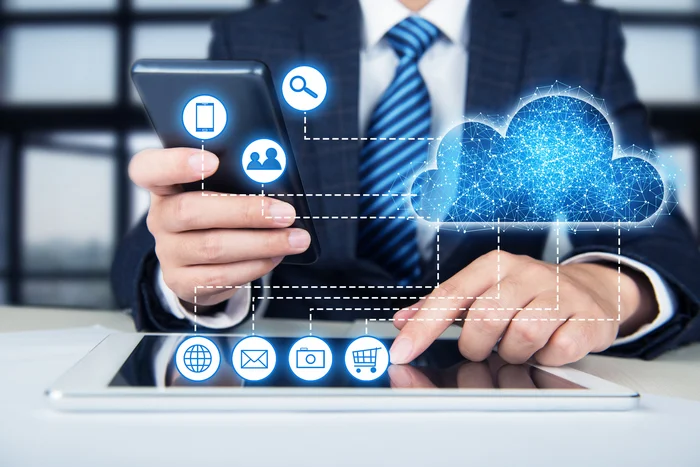
Running a growing business is exciting, but it also comes with challenges—especially when it comes to managing finances. Many Malaysian SMEs face similar struggles—manual bookkeeping leads to late tax filings, payroll errors, and hours wasted reconciling bank statements. As regulations like e-Invoicing become mandatory, sticking to outdated systems is no longer sustainable. That’s why more SMEs are turning to cloud accounting software to keep up with growth.
So, what makes cloud-based accounting such a game-changer for businesses? Let’s break down the benefits in a way that’s practical and easy to understand.
Why Cloud Accounting Software Matters
At its core, cloud accounting means that your financial data—such as invoices, expenses, payroll, and reports—is stored online instead of on one computer in the office. As long as you’re online, you can check your accounts from the office, home, or even while traveling.
Think of it as the difference between saving files on a USB drive versus Google Drive. With the cloud, your data is always updated, always backed up, and available across multiple devices.
Benefits of Cloud Accounting Software
Here are some of the key reasons why businesses are making the switch:
1. Real-Time Access
With cloud accounting, you don’t have to wait for monthly reports from your accountant to know where your money is going. Business owners can see up-to-date figures instantly—whether they’re in the office, at home, or traveling.
2. Easier Collaboration
No more emailing spreadsheets back and forth. With cloud accounting software, your accountant, bookkeeper, or even business partners can log in to the same system and view the same data. This reduces errors and saves time.
3. Automation Saves Hours
Tasks that used to take hours—such as bank reconciliations, recurring invoices, and payroll—can now be automated. For example, a small café in Penang reduced its bookkeeping time by 40% per month after switching to QuickBooks Online, thanks to automatic bank feeds and recurring invoice features.
4. Cost Savings and Scalability
Cloud accounting is usually subscription-based, which means you don’t need to spend a huge amount upfront on software licenses or servers. As your business grows, you can simply upgrade your plan instead of overhauling your entire system.
5. Security You Can Trust
A common question business owners ask is: “Is cloud accounting secure?” The truth is, most providers use bank-grade encryption, data backups, and multi-factor authentication. In many cases, your data is actually safer in the cloud than stored on a single laptop or desktop.
The Role of Cloud Accounting in Business Growth
What makes cloud accounting particularly powerful is how it supports a company’s expansion journey. Here’s how it helps businesses move forward:
- Better decision-making – Real-time financial dashboards let owners see cash flow and profit trends instantly.
- Compliance made easier – In Malaysia, with e-Invoicing and tax requirements becoming stricter, cloud software helps ensure you stay compliant.
- Room to scale – Whether you add new branches, hire more employees, or expand internationally, cloud systems can grow with you.
Instead of being a “nice-to-have,” cloud accounting becomes a growth enabler.
Choosing the Right Software
Not all platforms are created equal. Some businesses may prefer user-friendly options like Wave, while others might need advanced features from Xero or QuickBooks Online. The key is to choose software that fits your company’s size, budget, and reporting needs.
👉 For a deeper breakdown, check out this guide to the top 5 cloud accounting software in Malaysia. It compares popular platforms and highlights their strengths, so you can make an informed decision.
Final Thoughts
Growing a business is challenging enough without struggling to keep track of finances. By moving to cloud accounting software, SMEs in Malaysia can save time, cut costs, and make better decisions with real-time insights. It’s not just about convenience—it’s about setting your business up for sustainable growth.
If your company is still stuck with manual spreadsheets or outdated desktop systems, now might be the perfect time to consider making the switch. Check out our detailed guide to Malaysia’s top 5 cloud accounting software and choose the right one for your growth journey.
