

Introduction
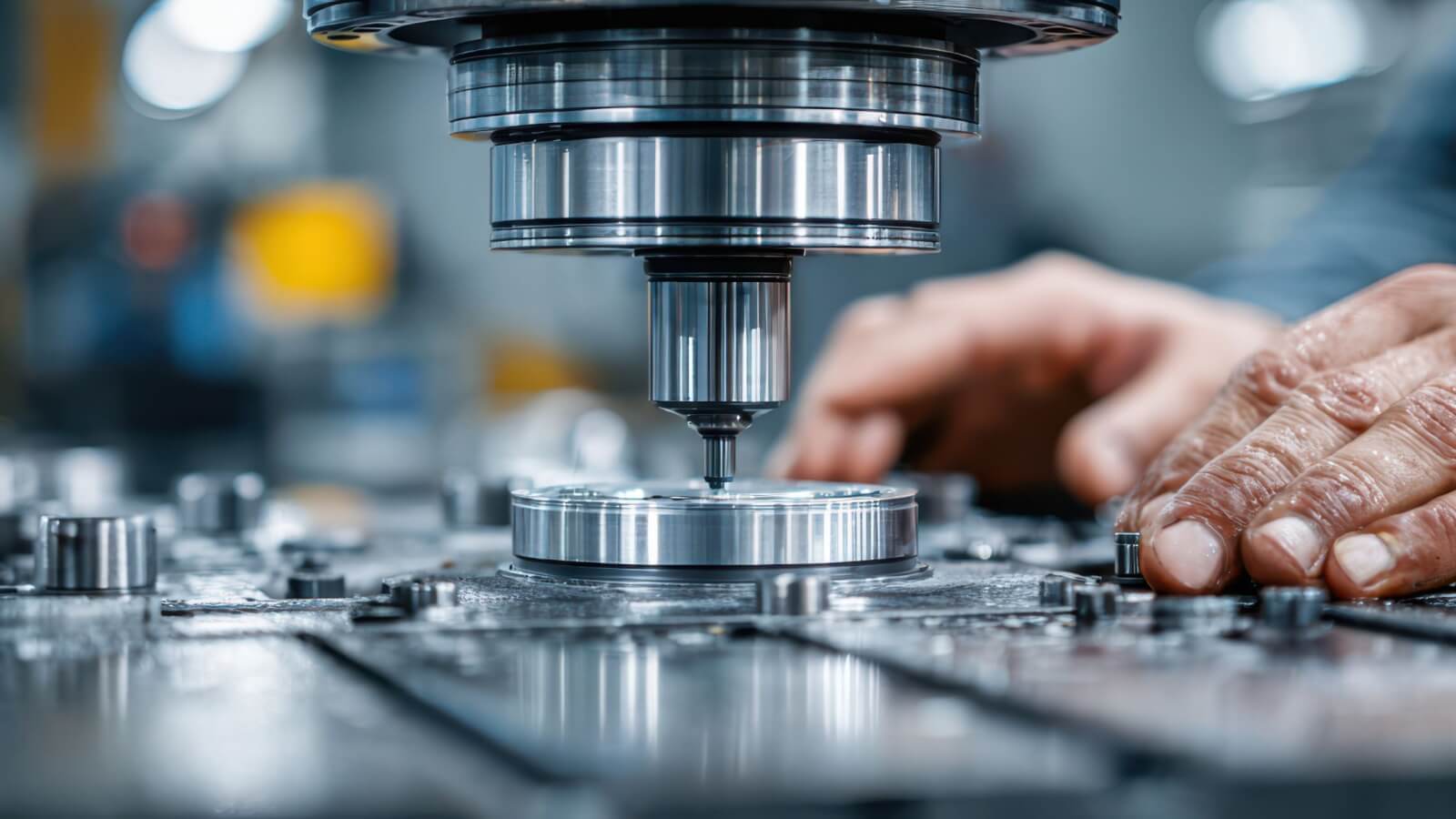
Precision is a fundamental principle of successful industrial engineering. From design through production and final assembly, every component must perform exactly as intended to ensure equipment operates safely, efficiently, and reliably. As manufacturing technologies evolve, businesses increasingly depend on precision-engineered components to meet demanding quality standards and support long-term operational performance. With advanced engineering expertise and precision manufacturing solutions, Texmo Blank helps industrial manufacturers produce high-quality components that improve accuracy, reliability, and efficiency across a wide range of applications.
Manufacturing precision is about more than producing components to exact dimensions. It influences product quality, production consistency, operational reliability, maintenance requirements, and the overall performance of industrial systems. As industries become more technologically advanced, precision manufacturing plays an increasingly important role in supporting innovation and long-term competitiveness.
Supporting Accurate Engineering Outcomes
Industrial engineering relies on precision at every stage of manufacturing.
Components that are manufactured to exact specifications simplify assembly while reducing the likelihood of production errors or compatibility issues.
Precision manufacturing helps organisations achieve:
- Accurate component dimensions
- Consistent production quality
- Reliable product performance
- Improved assembly efficiency
- Better engineering outcomes
Greater accuracy lets manufacturers build more dependable equipment while maintaining high-quality standards across every production run.
Improving Product Quality
High-quality industrial products begin with well-manufactured components.
When every part meets strict dimensional and material specifications, the finished product benefits from improved consistency and reliability.
Precision manufacturing contributes to:
- Better surface quality
- Improved structural integrity
- Reduced production defects
- More predictable product performance
- Greater customer confidence
Consistent product quality strengthens both operational performance and brand reputation.
Enhancing Production Efficiency
Manufacturing efficiency depends on reducing unnecessary production delays and maintaining smooth workflows.
Precision-engineered components require fewer assembly adjustments because they are manufactured within controlled tolerances.
Operational benefits include:
- Faster production processes
- Reduced machining requirements
- Lower material waste
- Improved workflow efficiency
- Better use of manufacturing resources
These improvements help manufacturers increase productivity while maintaining consistent quality.
Supporting Reliable Industrial Equipment
Industrial machinery operates under demanding conditions that require dependable component performance.
Precision manufacturing supports equipment reliability by reducing dimensional variation and ensuring components perform consistently throughout their operational life.
Reliable components help businesses achieve:
- Stable equipment operation
- Reduced maintenance interruptions
- Improved operational efficiency
- Lower risk of unexpected failures
- Greater production continuity
Reliable equipment contributes directly to stronger long-term business performance.
Reducing Operational Risk
Manufacturing inaccuracies can create challenges throughout the production lifecycle.
Poorly fitting components can increase equipment wear, reduce operational efficiency, or cause unexpected downtime.
Precision manufacturing helps minimise these risks by ensuring components consistently meet engineering specifications.
This proactive approach supports safer operations while improving confidence in finished products.
Supporting Innovation Across Industries
As engineering requirements grow more sophisticated, manufacturers need production methods that deliver both precision and flexibility.
Precision manufacturing supports innovation across industries including:
- Aerospace
- Automotive
- Energy
- Medical manufacturing
- Industrial engineering
- Oil and gas
- Heavy machinery
The ability to manufacture complex, high-quality components allows engineers to develop more advanced products while maintaining reliable production standards.
Creating Long-Term Manufacturing Value
Precision manufacturing delivers benefits that extend beyond initial production.
High-quality components continue creating value throughout their service life by supporting reliable equipment operation and reducing maintenance requirements.
Long-term advantages include:
- Improved equipment lifespan
- Reduced lifecycle costs
- Better asset performance
- Stronger operational planning
- Increased manufacturing consistency
These benefits help manufacturers improve productivity while strengthening long-term competitiveness.
Frequently Asked Questions (FAQs)
Why is manufacturing precision important?
Precision improves component accuracy, product quality, operational reliability, and overall manufacturing efficiency.
How does precision manufacturing improve industrial engineering?
It supports accurate assembly, reduces production variation, and helps create reliable industrial equipment.
Does precision manufacturing reduce operational costs?
Yes. Better-quality components often reduce maintenance, minimise rework, and improve manufacturing efficiency over time.
Which industries depend on precision manufacturing?
Industries including aerospace, automotive, energy, industrial engineering, medical manufacturing, and heavy equipment rely heavily on precision-engineered components.
Can precision manufacturing improve product reliability?
Yes. Accurate components help equipment perform consistently while reducing the likelihood of premature wear or operational failures.
Conclusion
Manufacturing precision remains essential for modern industrial engineering, supporting accurate production, reliable equipment performance, and long-term operational efficiency. By producing components that consistently meet demanding engineering standards, manufacturers can improve product quality, reduce operational risk, and strengthen overall manufacturing performance.
Through advanced engineering expertise and precision manufacturing capabilities, Texmo Blank continues to support industrial businesses with high-quality components that deliver dependable performance, greater manufacturing consistency, and lasting value across a wide range of industrial applications.
