

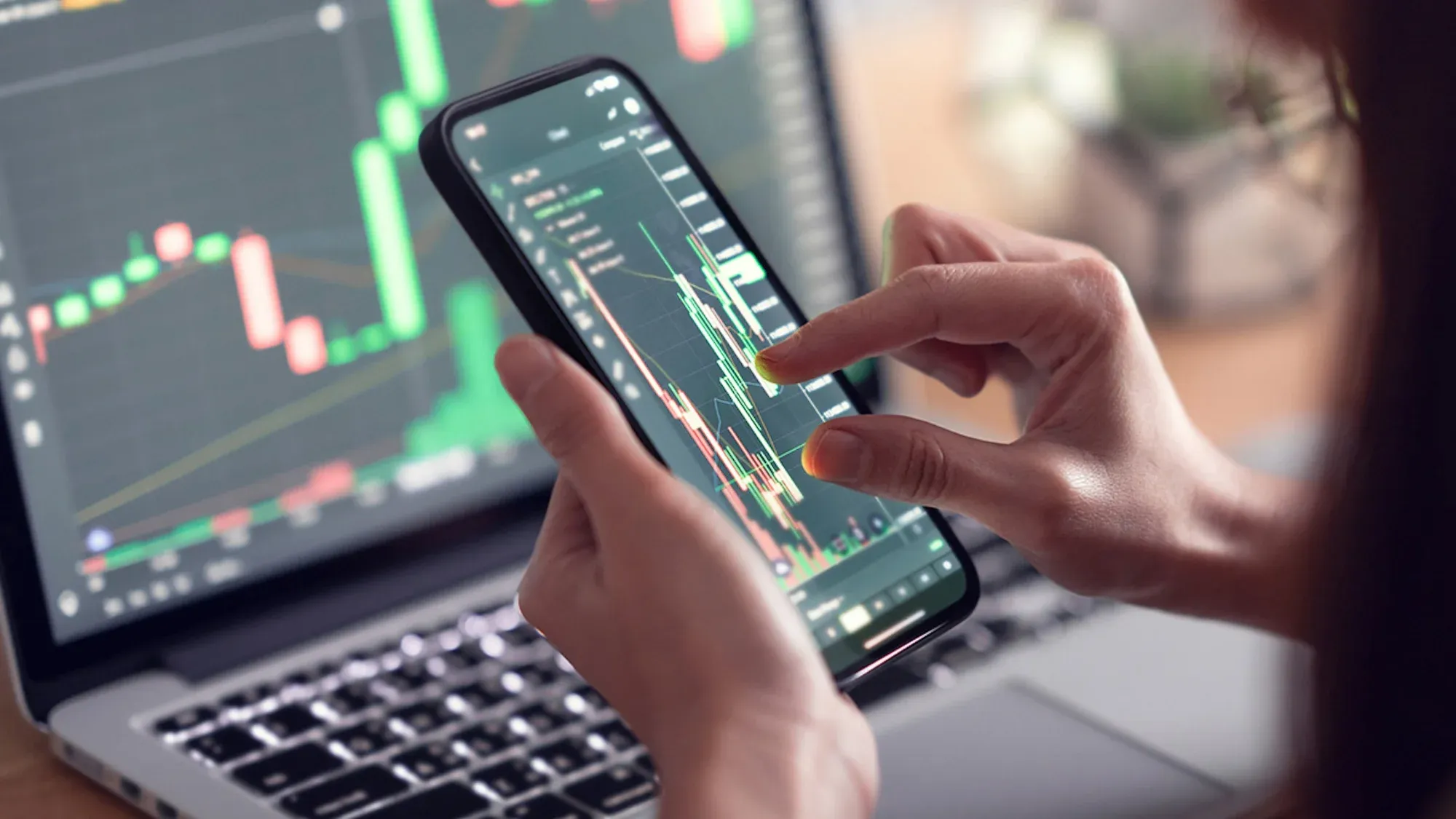
Stock trading is often perceived as a numbers game, dominated by charts, trends, and economic indicators. While technical knowledge and analytical skills are undeniably crucial, the human element—our emotions, biases, and psychological responses—plays an equally significant role in determining success or failure.
Understanding the psychology behind stock trading is not just a supplemental skill; it is a foundation upon which consistent and disciplined trading rests.
Understanding Emotional Triggers in Trading
Emotions are inherent to all decision-making processes, and stock trading is no exception. Fear and greed are perhaps the two most influential emotions in the market. Fear can paralyse a trader, leading to missed opportunities or premature exits from positions. Greed, on the other hand, can cause overconfidence, excessive risk-taking, and impulsive decisions.
Other psychological factors, such as anxiety, frustration, and overexcitement, often exacerbate the effects of fear and greed. A sudden market drop might trigger panic selling, while a rapid upward trend could incite over-leveraging or chasing gains without proper analysis. Recognising these emotional triggers is the first step toward mastering them. Self-awareness enables traders to pause and assess their decisions objectively rather than react impulsively.
Cognitive Biases and Their Impact
Beyond immediate emotions, cognitive biases also heavily influence trading behaviour. Confirmation bias, for example, leads traders to seek out information that supports their preconceived notions while ignoring contradictory evidence. Similarly, loss aversion—a tendency to prefer avoiding losses over acquiring equivalent gains—can result in holding onto losing positions too long or exiting profitable trades too early.
Another common bias is the recency effect, where recent market events are given disproportionate weight in decision-making. A trader who has experienced a streak of gains may develop an inflated sense of skill, while one who has recently suffered losses might become overly cautious or risk-averse. Understanding these biases is essential to developing a rational trading strategy and maintaining emotional equilibrium.
Building Emotional Discipline
Emotional discipline is the bridge between knowledge and successful trading execution. One of the most effective ways to cultivate this discipline is by creating and strictly adhering to a trading plan. A well-defined plan outlines entry and exit points, risk management strategies, and acceptable levels of exposure. By sticking to a plan, traders can minimise the influence of emotions during critical decision-making moments.
Risk management is also closely tied to emotional control. By defining the maximum loss per trade or using stop-loss orders, traders can safeguard their capital and reduce the stress associated with potential downturns. This approach allows them to focus on opportunities rather than being consumed by fear of loss.
Journaling is another powerful tool for emotional discipline. Documenting trades, including the rationale and emotional state during each decision, provides valuable insights into patterns of behaviour. Over time, this practice helps traders identify recurring mistakes and develop strategies to mitigate emotional reactions.
The Role of Mindfulness and Mental Conditioning
Mindfulness and mental conditioning techniques can significantly enhance emotional control in trading. Practices such as meditation, deep-breathing exercises, and visualisation help traders maintain focus and composure, even during volatile market periods. These techniques promote self-awareness, allowing traders to recognise when emotions are influencing decisions and to consciously return to rational analysis.
Mental rehearsal is particularly effective for preparing for high-stakes scenarios. By visualising potential market movements and practising responses in a controlled mental environment, traders can reduce the psychological impact of real-world stressors. Over time, this builds resilience, confidence, and the ability to act calmly under pressure.
Leveraging Technology and Education
While emotional mastery is crucial, combining psychological awareness with practical tools and resources enhances trading performance. Platforms that provide real-time data, analytical tools, and educational content empower traders to make informed decisions without relying solely on intuition. For those learning to navigate the complexities of the market, exploring resources on trading stocks offers insights into strategies, market behaviour, and risk management techniques that complement psychological preparedness.
Education also helps mitigate the fear of the unknown, a common source of emotional volatility in trading. Understanding how markets function, the factors influencing stock prices, and the mechanics of trading instruments allows traders to approach the market with confidence and clarity rather than anxiety.
Cultivating Patience and Long-Term Perspective
Successful trading is rarely about immediate gratification. Developing patience and a long-term perspective is a cornerstone of emotional control. Impulsive trading based on short-term market fluctuations often leads to suboptimal outcomes. By maintaining focus on well-researched strategies and long-term objectives, traders can avoid reacting to temporary noise and instead capitalise on sustainable trends.
Setting realistic goals, rather than expecting instant success, also reduces stress and the tendency to make rash decisions. Recognising that losses are a natural part of trading helps manage expectations and reinforces resilience. Each setback can be reframed as a learning opportunity, contributing to long-term growth and mastery.
Conclusion
The psychology of stock trading underscores the importance of controlling emotions for achieving consistent success. Fear, greed, cognitive biases, and impulsivity can derail even the most technically sound strategies, making emotional intelligence a critical component of effective trading. By cultivating self-awareness, practising discipline, leveraging educational resources, and adopting mindfulness techniques, traders can navigate the complexities of the market with confidence and composure.
