

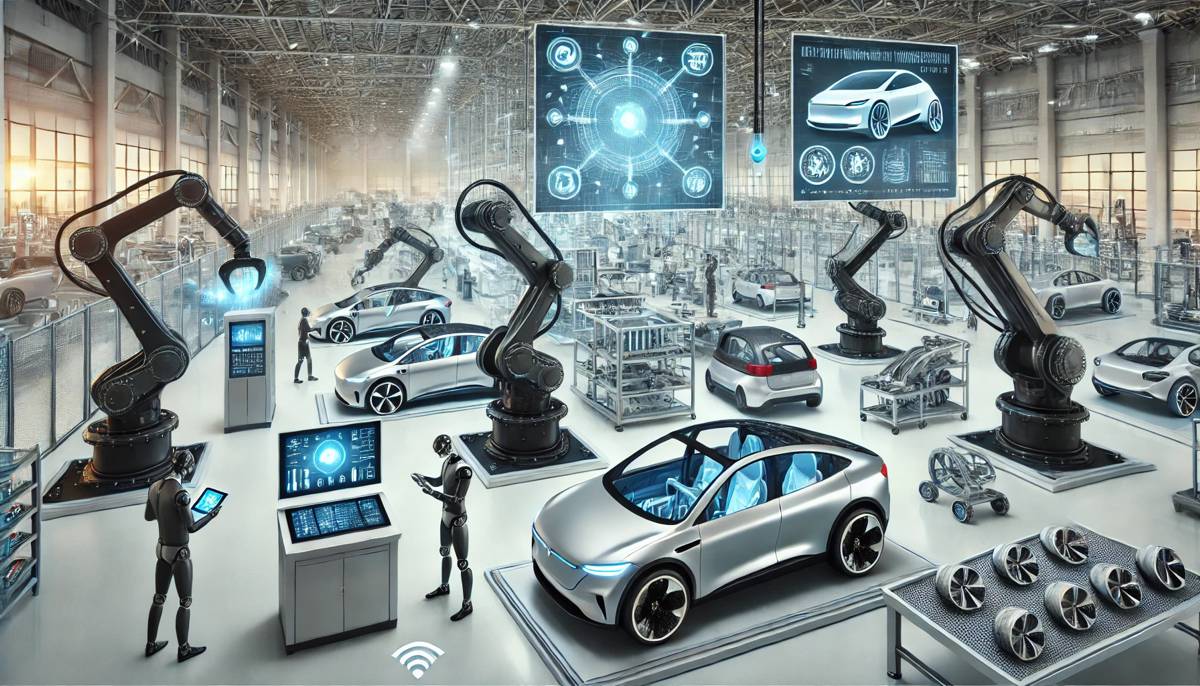
The automotive industry is one of the most complex and influential sectors in the global economy. It encompasses vehicle design, manufacturing, sales, and maintenance while serving as a cornerstone for technological innovation, environmental sustainability, and economic growth. With evolving consumer preferences, regulatory pressures, and technological advancements, the automotive industry continues to redefine mobility and transportation.
The Evolution of the Automotive Industry
The automotive sector has evolved dramatically since the first mass-produced vehicles in the early 20th century. Henry Ford’s assembly line revolutionized manufacturing, making cars accessible to a broader population. Initially, gasoline-powered vehicles dominated, supported by infrastructure like fuel stations and highways.
In the latter half of the 20th century, innovation focused on safety, efficiency, and performance. Seat belts, airbags, anti-lock braking systems, and electronic stability controls became standard, transforming the driving experience. The industry also witnessed globalization, with major automakers establishing production and supply chains worldwide.
The 21st century brought a paradigm shift with electric vehicles (EVs), autonomous technology, and connected car systems. Companies now compete on innovation, sustainability, and digital integration rather than solely on mechanical performance or aesthetic design. This era of transformation is redefining how consumers interact with vehicles, moving beyond traditional ownership to concepts like mobility-as-a-service (MaaS) and subscription models.
Key Segments in the Automotive Industry
Understanding the automotive market requires examining its core segments, each with unique dynamics and challenges.
Passenger Vehicles
Passenger vehicles, including sedans, SUVs, and hatchbacks, represent the largest segment by volume. Consumer demand is increasingly shaped by fuel efficiency, safety ratings, digital features, and environmental impact. Electric and hybrid variants are gaining traction as governments impose stricter emission standards and offer incentives for sustainable mobility.
Trends in passenger vehicles include:
-
Integration of infotainment systems with advanced connectivity features
-
Electric vehicle adoption driven by environmental consciousness
-
Enhanced safety systems like adaptive cruise control and lane-keeping assist
Commercial Vehicles
Commercial vehicles include trucks, buses, and vans, serving logistics, public transport, and construction sectors. Efficiency, load capacity, and reliability are critical in this segment. The rise of e-commerce has driven demand for light and medium commercial vehicles capable of rapid urban delivery.
Notable developments in commercial vehicles:
-
Electrification of last-mile delivery trucks
-
Telematics for fleet management and route optimization
-
Autonomous delivery systems under experimental deployment
Electric and Hybrid Vehicles
Electric and hybrid vehicles are at the forefront of automotive innovation. EVs leverage battery technology, regenerative braking, and electric powertrains to reduce emissions. Hybrids combine internal combustion engines with electric motors to enhance fuel efficiency while addressing range limitations.
Challenges in EV adoption include:
-
Limited charging infrastructure in certain regions
-
Battery cost and lifecycle management
-
Consumer concerns regarding driving range and charging speed
Governments worldwide incentivize EV adoption through tax rebates, subsidies, and infrastructure investments, signaling a long-term industry shift toward electrification.
Automotive Components and Suppliers
Automakers rely on an extensive network of suppliers providing engines, transmissions, electronics, tires, and safety systems. The complexity of supply chains has increased with globalization, requiring agile logistics and quality management systems. Technological advancements, particularly in EVs, have introduced new suppliers for batteries, power electronics, and software platforms.
Trends in the components sector include:
-
Lightweight materials to improve fuel efficiency
-
Advanced sensors for autonomous driving
-
Modular design for easier vehicle assembly and maintenance
Technology Transforming Automotive
Technology is the primary driver reshaping the automotive landscape. Manufacturers invest heavily in R&D to remain competitive, focusing on automation, connectivity, and sustainability.
Autonomous Vehicles
Autonomous vehicles use AI, machine learning, and sensor fusion to navigate environments without human input. Levels of autonomy range from driver assistance to full self-driving capabilities. While fully autonomous vehicles are not yet mainstream, incremental automation improves safety and convenience.
Key technologies enabling autonomy:
-
LiDAR, radar, and camera systems for 360-degree perception
-
Advanced algorithms for real-time decision making
-
Vehicle-to-everything (V2X) communication for traffic coordination
Connected Cars
Connected cars integrate communication technologies to exchange data with infrastructure, other vehicles, and cloud platforms. This connectivity enhances navigation, safety, and entertainment while enabling predictive maintenance and over-the-air software updates.
Applications of connected vehicle technology include:
-
Traffic congestion management using real-time analytics
-
Remote diagnostics to reduce maintenance costs
-
Enhanced infotainment systems offering streaming and app integration
Artificial Intelligence and Data Analytics
AI and data analytics optimize operations, from design to after-sales services. Machine learning models predict maintenance needs, identify production inefficiencies, and personalize user experiences. Manufacturers increasingly rely on big data to make strategic decisions regarding product design, marketing, and supply chain management.
Sustainability and Environmental Impact
Environmental sustainability is a central concern for the automotive industry. Governments implement stringent emissions standards, pushing automakers to develop cleaner engines and reduce vehicle lifecycle emissions. Battery recycling, green manufacturing processes, and energy-efficient production lines are becoming essential components of corporate responsibility.
Sustainable initiatives include:
-
Use of recycled and lightweight materials
-
Transition to renewable energy in manufacturing plants
-
Integration of carbon footprint monitoring throughout the supply chain
Consumer Trends Shaping the Market
Consumer behavior has significantly influenced automotive innovation. Preferences for digital integration, shared mobility, and environmental consciousness shape product offerings and marketing strategies.
Notable consumer-driven trends include:
-
Increased demand for subscription-based vehicle access
-
Growth in car-sharing and ride-hailing services
-
Preference for vehicles equipped with advanced driver-assistance systems (ADAS)
-
Emphasis on eco-friendly transportation options, including EVs and hybrids
Challenges in the Automotive Industry
Despite growth opportunities, the automotive sector faces numerous challenges that demand strategic adaptation.
Supply Chain Disruptions
Global supply chains are susceptible to geopolitical tensions, natural disasters, and pandemics. Shortages of semiconductors, critical metals, and components have previously disrupted production and led to price volatility.
Regulatory Compliance
Automakers must comply with evolving safety, emissions, and labor regulations. Non-compliance can result in fines, recalls, and reputational damage.
Market Competition and Innovation Pressure
The automotive industry is highly competitive, with both established manufacturers and emerging players vying for market share. Companies must invest in innovation to maintain relevance while balancing production costs and profitability.
Consumer Expectations
Modern consumers expect more than just a vehicle; they demand integrated digital experiences, sustainable options, and high safety standards. Meeting these expectations requires continuous innovation and robust customer engagement strategies.
The Future of Automotive
The future of automotive is intertwined with technology, sustainability, and mobility trends.
Electrification
The shift toward EVs is expected to accelerate, supported by improved battery technology, expanding charging infrastructure, and policy incentives. Fully electric fleets may become the standard in both passenger and commercial sectors.
Autonomous and Smart Mobility
Autonomous technology combined with connected infrastructure will enable smart mobility ecosystems. Concepts like autonomous taxis, intelligent traffic systems, and vehicle-to-grid integration may redefine urban transportation.
Digital Transformation
The digital ecosystem in automotive will expand, offering services such as predictive maintenance, personalized in-car experiences, and seamless integration with smart city platforms. Data monetization may emerge as a new revenue stream for automakers.
Environmental Stewardship
Sustainability will continue to shape automotive manufacturing and design. From zero-emission vehicles to circular supply chains, environmental responsibility will remain central to brand identity and consumer loyalty.
FAQs About Automotive
Q1: What is driving the shift toward electric vehicles?
The shift is driven by environmental concerns, government regulations, technological advancements in batteries, and consumer demand for sustainable transportation options.
Q2: How do autonomous vehicles improve road safety?
Autonomous vehicles reduce human error, which is a leading cause of accidents. Advanced sensors, real-time decision algorithms, and AI-driven control systems enhance safety on roads.
Q3: What are connected cars, and why are they important?
Connected cars communicate with other vehicles and infrastructure, enabling traffic optimization, predictive maintenance, enhanced navigation, and improved passenger experience.
Q4: How is AI used in the automotive industry?
AI powers autonomous driving, predictive maintenance, production optimization, customer personalization, and data-driven decision-making.
Q5: What challenges do automotive manufacturers face today?
Challenges include supply chain disruptions, stringent regulatory compliance, intense competition, and evolving consumer expectations for safety, sustainability, and digital integration.
Q6: How is the automotive industry addressing sustainability?
Automakers implement eco-friendly manufacturing, develop EVs and hybrids, recycle materials, and monitor carbon footprints to reduce environmental impact.
Q7: What trends will define the future of mobility?
Key trends include electrification, autonomous and connected vehicles, mobility-as-a-service models, digital integration, and sustainability-focused innovation.
The automotive industry is a dynamic blend of engineering, technology, and consumer insight. By embracing electrification, autonomous systems, connectivity, and sustainability, the sector is not only adapting to the future of mobility but actively shaping it, redefining transportation for decades to come.
